Craft Beer Terminology: A South African Guide
Confused by craft beer jargon? Do too many words give you a headache? Our short, practical South African guide explains the styles, ingredients, brewing terms and tasting language you need before your next beer tasting. So you don't sound like a thicky thicky dumb dumb to all your mates.
Craft beer has developed a language of its own. I mean, what is the point of all that time spent if you don’t tell people about it…constantly. At times, rarely, this language is useful. Sometimes it sounds like a dude sniffed half a bag, stared thoughtfully into the distance and decided his beer had “an assertive resinous backbone”. Yipes.
Fortunately, you do not need a UCT qualification, ceremonial beard or leather brewing apron to understand what is in your glass. Learning a few common = terms can help you choose beer that suits your taste, describe what you enjoy and avoid ordering something wildly different from what you expected.
This simply, half written by AI, guide explains essential craft beer terminology for South African beer drinkers, from ingredients and brewing methods to styles, serving terms and the kak people say during tastings. Keep it handy for your next visit to a local pub, or don’t.. Don’t sound like a twat Dave.
The four basic beer ingredients
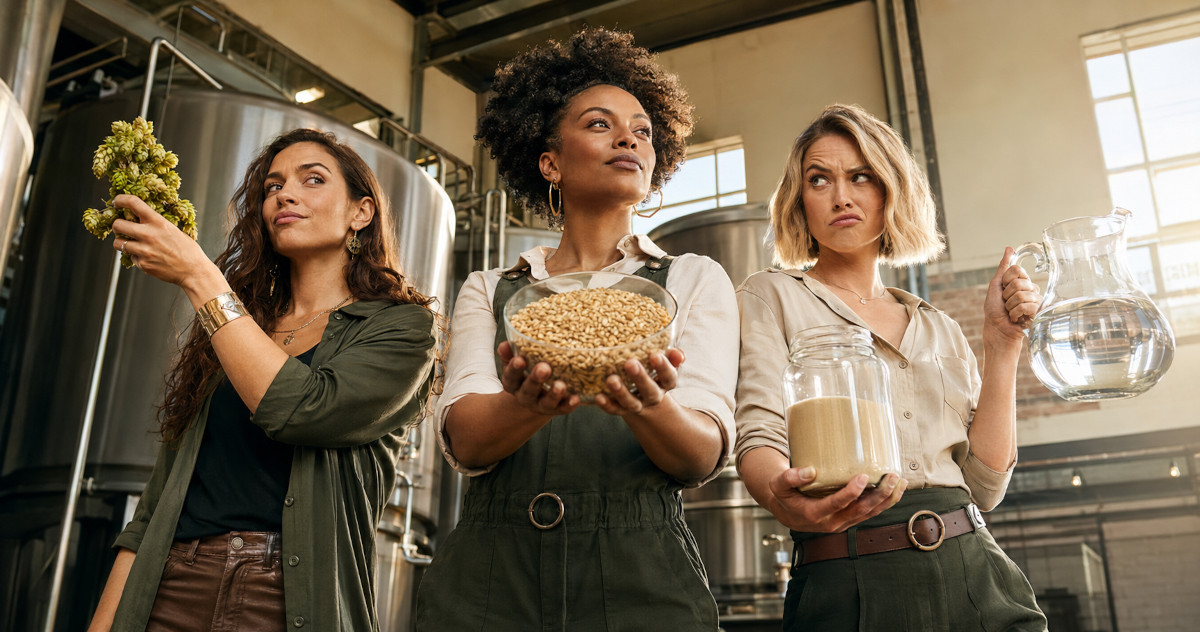
Beer begins with four core ingredients: water, malt, hops and yeast…mostly. Brewers can add other ingredients, but these four form the foundation.
Water makes up most of the finished beer. Its mineral profile can influence brewing and flavour, although you are unlikely to hear someone at a braai praising “the elegant municipal undertones”.
Malt usually refers to malted grain, most commonly barley. Malting prepares the grain so that its starches can be converted into fermentable sugars during brewing. Malt can contribute bread, biscuit, caramel, toast, coffee or chocolate flavours, depending on how it has been processed and roasted.
Hops are flowers used to add bitterness, aroma and flavour. Different varieties can produce citrus, tropical fruit, floral, herbal, spicy, earthy, piney or resinous characteristics. Hops also help balance the sweetness from the malt.
Yeast ferments sugars and produces alcohol and carbon dioxide. It also contributes flavour. Depending on the strain and fermentation conditions, yeast may create fruity, spicy, clean or funky characteristics.
Ale, lager and the fermentation divide
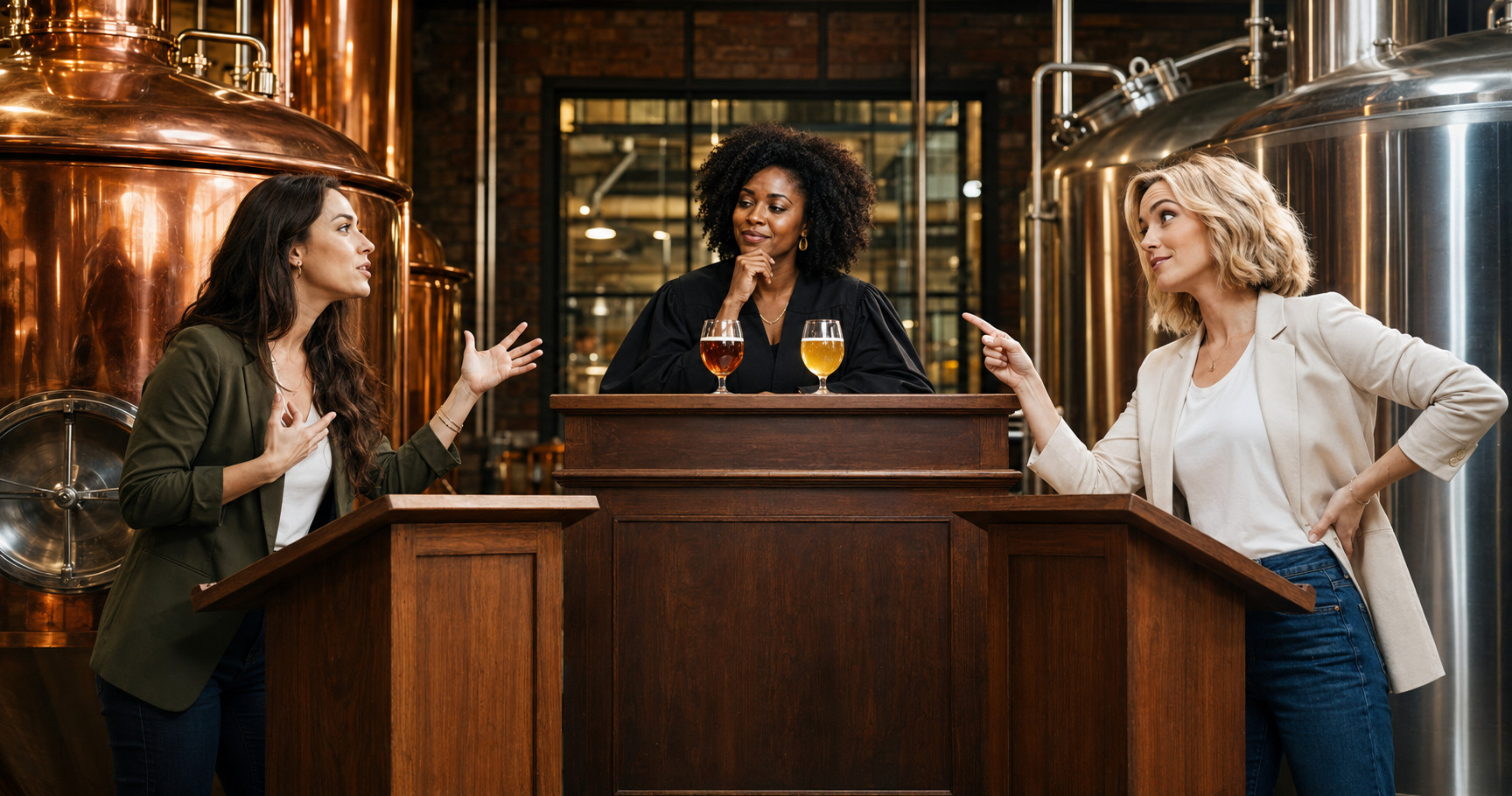
“Ale” and “lager” are broad beer families rather than descriptions of colour or strength.
Ales are fermented with ale yeast, generally at warmer temperatures than lagers. They often display noticeable fruity or spicy fermentation flavours, although there are many exceptions.
Lagers use lager yeast and are typically fermented cooler before undergoing a period of cold conditioning. They are often associated with a cleaner, crisper profile.
This means a lager is not automatically pale, weak or boring, and an ale is not automatically dark, strong or served by someone named Garth who owns seventeen flannel shirts and chills in the forest finding himself on a Saturday.
ABV, IBU and the numbers on the label
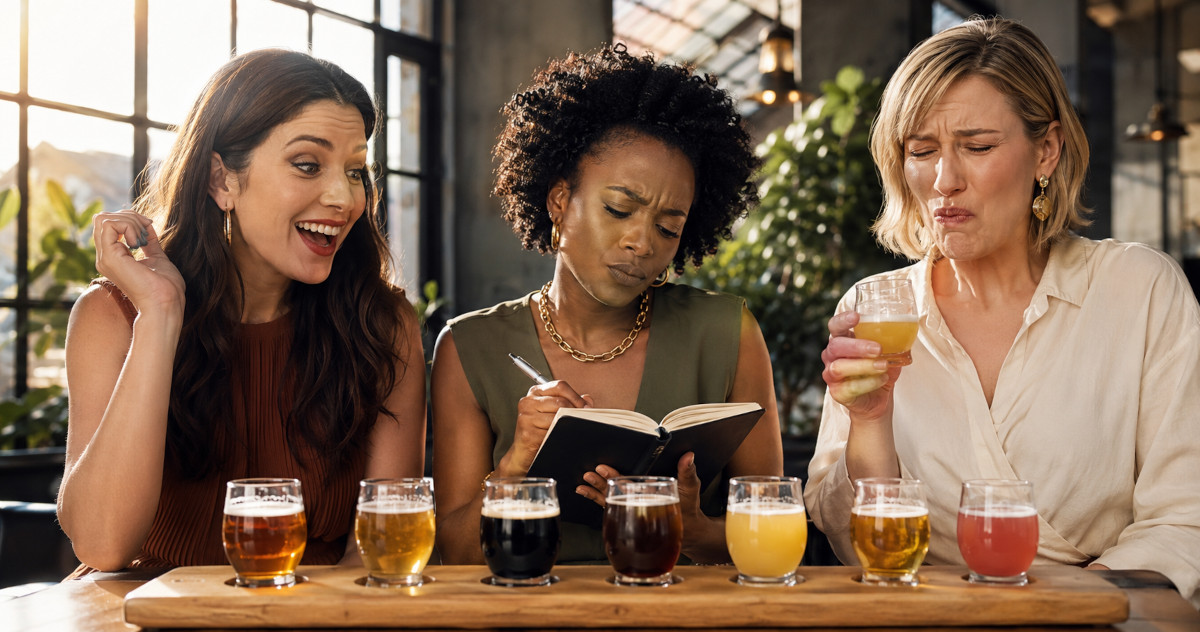
ABV means alcohol by volume. It tells you what percentage of the beer’s volume is alcohol. A higher ABV generally indicates a stronger beer, so it is worth checking before treating a limited-release imperial stout like a standard match-day lager.
IBU stands for International Bitterness Units, and is not a database of your exes. It measures bittering compounds in beer, but it does not provide a perfect prediction of how bitter the beer will taste. Malt sweetness, alcohol, water chemistry and other factors affect your perception of bitterness.
You may also see EBC, or European Brewery Convention, used to indicate beer colour. Lower values generally represent paler beer, while higher values indicate darker beer. Colour does not reliably reveal strength or bitterness; a dark beer can be light-bodied, while a pale beer can arrive with the alcoholic diplomacy of a loose forward.
Common craft beer styles explained
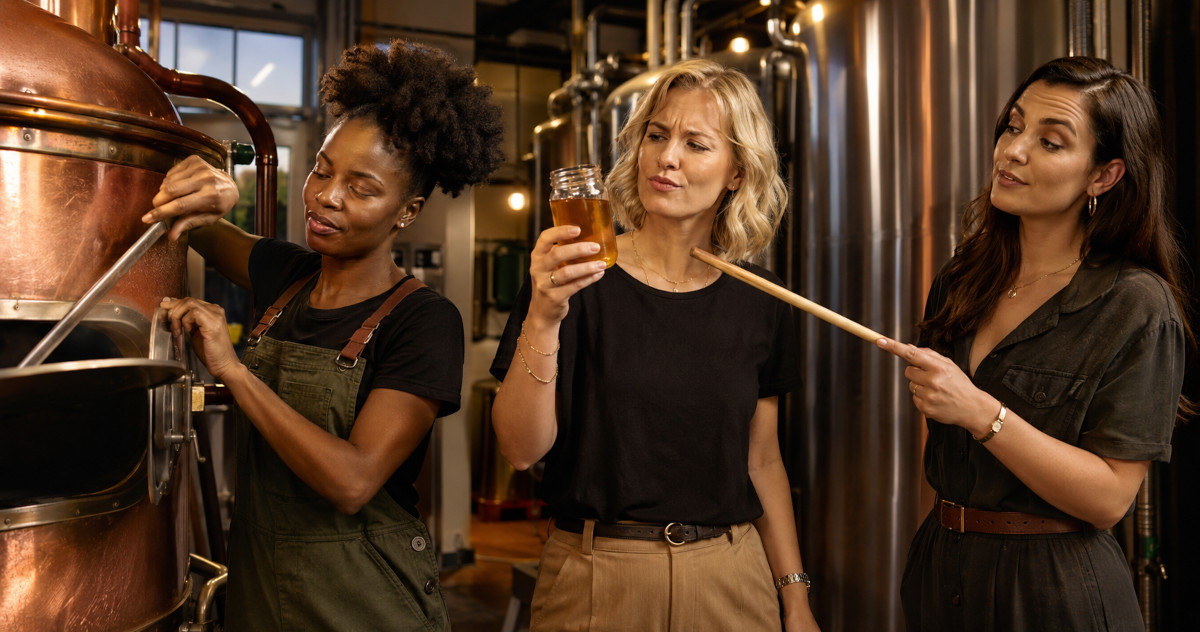
IPA stands for India Pale Ale, and surpassingly has little to do with India. Modern IPAs generally emphasise hop flavour and aroma, with bitterness ranging from moderate to aggressive. Expect characteristics such as citrus, tropical fruit, pine, herbs or resin, depending on the hops and brewing approach.
A pale ale is usually hop-forward but often less intense than an IPA. It can be a useful entry point for drinkers exploring more aromatic, bitter beer.
A stout is a dark ale commonly associated with roasted malt flavours such as coffee, cocoa, toast or dark chocolate. Stouts vary considerably in body, sweetness and strength.
A porter is another dark ale with roasted, chocolate or caramel characteristics. The historical and stylistic line between porter and stout is not always neat, despite generations of beer enthusiasts bravely arguing about it.
A wheat beer contains a significant proportion of wheat. Depending on the style, it may be crisp and refreshing or display banana, clove, citrus or spice notes.
A saison is traditionally a dry, highly carbonated ale that may have fruity, peppery or earthy yeast characteristics. Modern interpretations vary widely.
Sour beer is deliberately produced to have noticeable acidity. Flavours may range from lightly tart and fruity to complex and intensely sour. “Sour” should describe the intended style, not the expression you make after discovering who finished the wors.
Brewing terms worth knowing
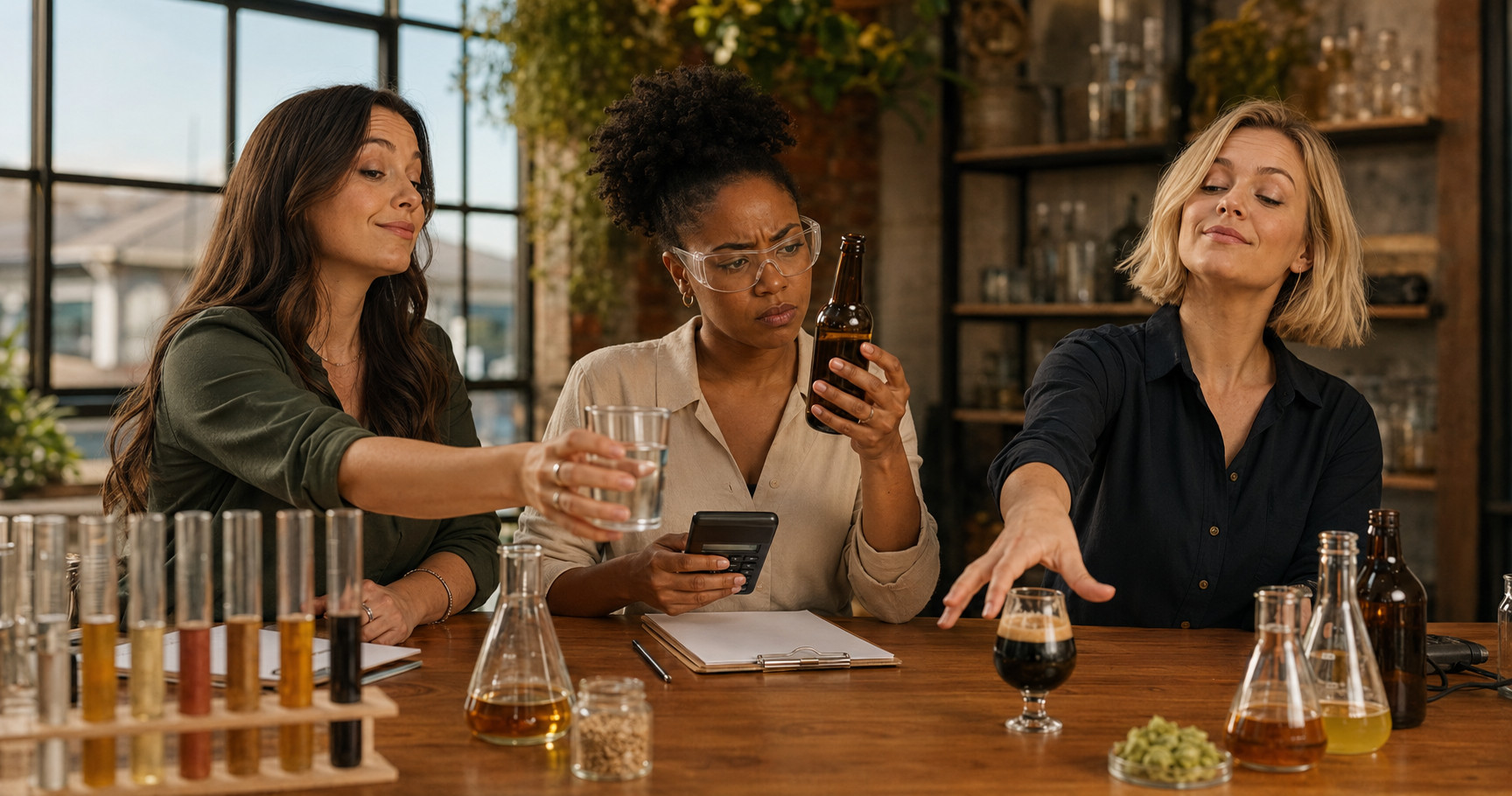
Mashing is the stage during which crushed malt is mixed with warm water. Enzymes convert starches in the grain into sugars that yeast can ferment.
Wort is the sweet liquid created from the mash before fermentation. It is pronounced “wert”, which is useful if you would prefer not to be corrected by a man wearing branded brewery overalls.
The boil sterilises the wort ( sounds grosser than it is) and is usually when hops are added for bitterness, flavour or aroma.
Fermentation occurs when yeast converts sugars into alcohol, carbon dioxide and flavour compounds. This is where sweet wort becomes beer.
Conditioning is the period during which the beer matures and flavours settle or develop. It may happen in a tank, keg, cask, bottle or can, depending on the brewing and packaging method.
Dry hopping means adding hops during or after fermentation rather than relying only on additions during the boil. The aim is generally to increase hop aroma and flavour without adding the same level of bitterness that boiling hops can produce.
Bottle-conditioned beer contains yeast and fermentable sugar that create carbonation inside the bottle. A small amount of sediment may be present. This is not necessarily a fault, although you may choose to pour carefully if you prefer to leave the sediment behind.
How to describe what you are tasting
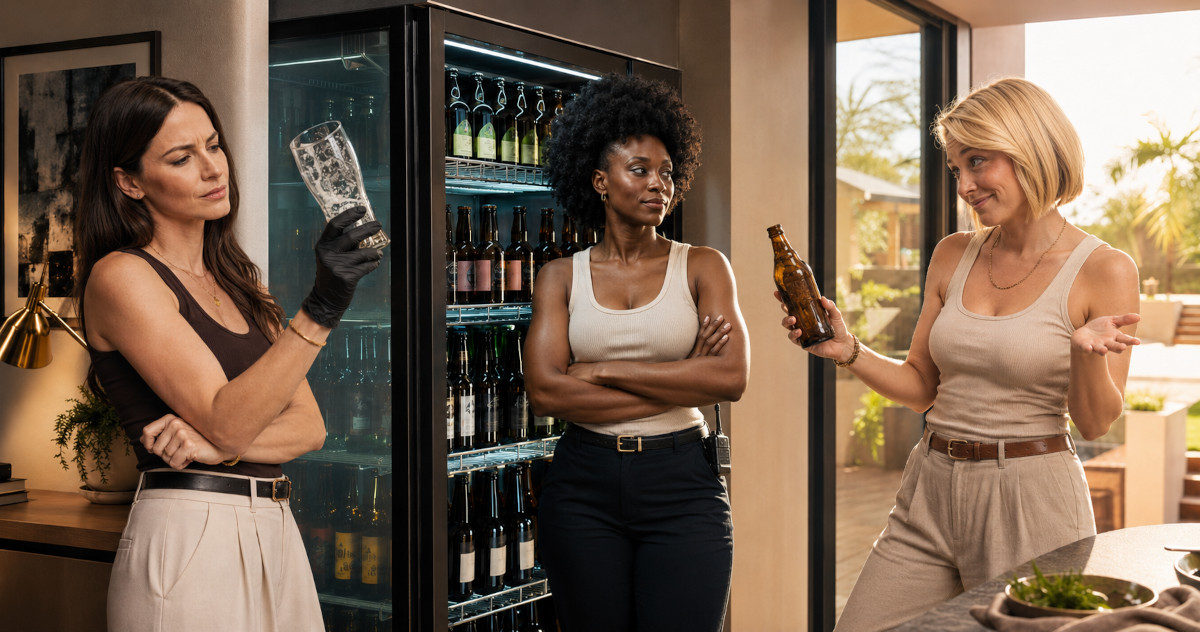
Aroma is what you smell before and while drinking. It makes the vaaab. Much of what people call flavour is connected to aroma, so give the beer a sniff before taking a sip. No need to perform a full wildlife documentary.
Body describes how substantial the beer feels in your mouth. A beer can be light-bodied, medium-bodied or full-bodied.
Mouthfeel covers physical sensations such as creaminess, smoothness, dryness, warmth, carbonation or astringency. It is the texture of the experience rather than one specific flavour.
Finish refers to the flavours and sensations remaining after you swallow. A finish might be clean, dry, bitter, sweet, warming or lingering.
Balance describes how the beer’s components work together. A beer can deliberately lean towards malt, hops, acidity or roast while still feeling coherent.
Sessionable is commonly used for beer considered relatively easy to drink over a longer social occasion, like a Castle Lite or other barely beers. It is because of it’s moderate ABV and balanced flavour. And whilst it is not permission to forget your limits, it does mean you can drink more of it. Don’t quote us on that.
Remember to eat something, drink sky juice and pace yourself. And don’t be a tool, arrange safe transport.
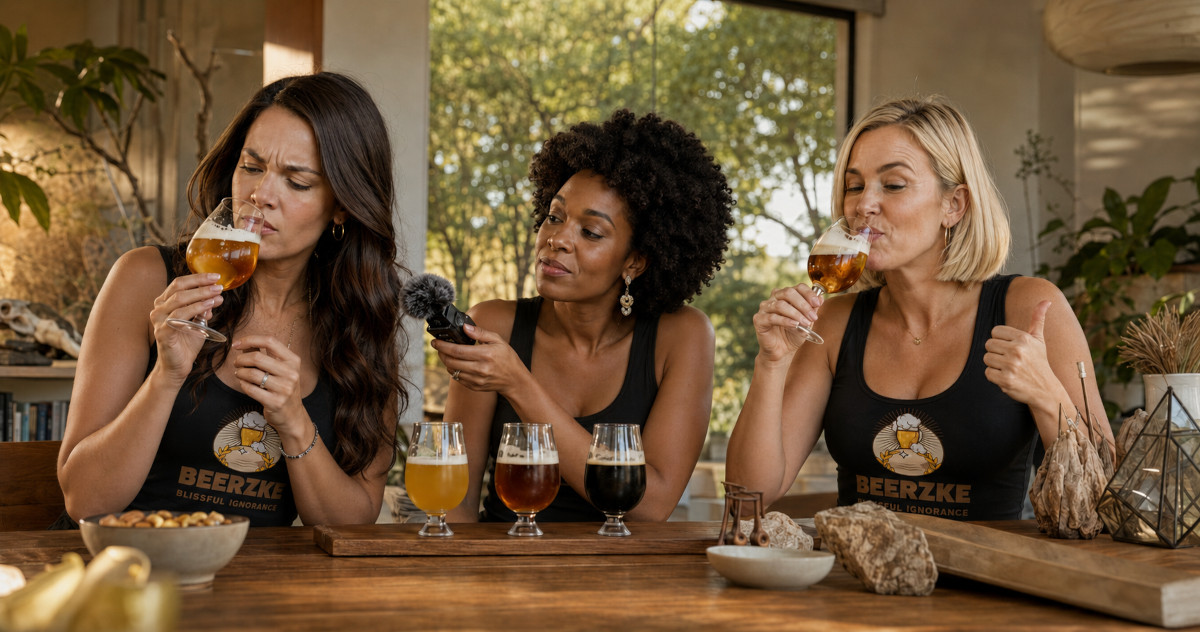
Freshness, storage and serving language
Cold chain refers to keeping beer consistently refrigerated during storage and distribution. This can be particularly valuable for hop-forward beers, which may lose fresh hop character over time.
A packaged-on date indicates when the beer entered its can or bottle. A best-before date provides guidance from the producer about the intended quality period. Always follow the storage information supplied with the beer.
Head is the foam at the top of a poured beer. Get your mind out of the gutter you sicko.
Head retention describes how long it remains, while lacing refers to foam patterns left on the glass.
Serving temperature affects aroma, flavour and mouthfeel. Very cold temperatures can mute flavour, while warmer beer may reveal more aroma and sweetness. Follow the producer’s guidance where available, especially for unusual or limited releases.
Also use clean glassware. A greasy glass with your pizza hands can harm foam and make even a carefully brewed beer look like it has given up on life.

Limited-batch beer and local drinking culture
A limited-batch beer is made in a restricted quantity rather than being permanently available. It’s like those rare Pokemon. Small batches allow for experimentation, seasonal ingredients or one-off ideas, but availability can be irregular. Also, the makers could just be lazy and not keen to make more.
Beerzke operates in this limited-batch spirit. As a unique craft beer and future late night food truck operation, our releases are not guaranteed to remain available, and orders are subject to confirmation. And even then, who knows if it will arrive.
That unpredictability is part of the experience: less supermarket certainty, more “we made this thing, and now there is only so much of it”. Will you get your monies worth, who knows. With Beerzke you take risks. You could lose money, never receive your order or even worse, actually get our beer and experience what one lady said was “more painful than when my husband left me for an older, far less attractive woman”
For adults exploring craft beer in Pretoria, the best approach is curiosity without ceremony – which is a fancy way of saying drink up buttercup. Read the label, ask what is fresh, try different styles and decide what you actually enjoy. Or shut up and throw it down the hatch. As my strange uncle used to say. “If you talking, you aint drinkin.”
You are allowed to dislike a famous style. You can prefer the SAB products. The choice is yours my friend. Beer drinkers are not meant to be like those wine folks in the Cape.
Speak beer without becoming unbearable
Craft beer terminology should make beer easier to understand, not turn every braai into an oral examination. Knowing the difference between ABV and IBU, an ale and a lager, or dry hopping and fermentation simply helps you make more informed choices.
Use the language when it is useful, ignore the theatrical nonsense when it is not, and enjoy beer responsibly and occasionally. Never drink and drive, and don’t allow your over enthusiasm to outrun your basic common sense.
Frequently Asked Questions
ABV means alcohol by volume and indicates what percentage of the beer is alcohol. IBU stands for International Bitterness Units and measures bittering compounds. A higher IBU does not always mean a beer will taste more bitter, because malt sweetness, alcohol, water chemistry and other factors influence perceived bitterness. Check both figures when choosing a beer, particularly a stronger limited release.
Ales and lagers are broad beer families defined mainly by yeast and fermentation methods, not colour or strength. Ales generally ferment at warmer temperatures and may have noticeable fruity or spicy characteristics. Lagers typically ferment cooler and undergo cold conditioning, often creating a cleaner, crisper profile. However, a lager is not automatically pale or weak, and an ale is not necessarily dark or strong.
Dry hopping involves adding hops during or after fermentation instead of relying only on hops added during the boil. Its purpose is generally to increase hop aroma and flavour without producing the same level of bitterness that boiling hops can create. Depending on the hop varieties and brewing approach, dry-hopped beer may display citrus, tropical fruit, floral, herbal, piney or resinous characteristics.
Sediment is not necessarily a fault, particularly in bottle-conditioned beer. This type of beer contains yeast and fermentable sugar that create carbonation inside the bottle, which can leave a small amount of sediment. If you prefer not to drink it, pour the beer carefully and leave the sediment behind. Always follow the producer’s storage and serving guidance where it is available.
Start with the flavours and intensity you enjoy. Pale ales are often approachable for drinkers exploring aromatic, bitter beer, while IPAs place greater emphasis on hops. Stouts and porters offer roasted, coffee, chocolate or caramel notes. Wheat beers may be crisp, fruity or spicy, while saisons are often dry and highly carbonated. Sour beers suit those who enjoy noticeable acidity and tart flavours.